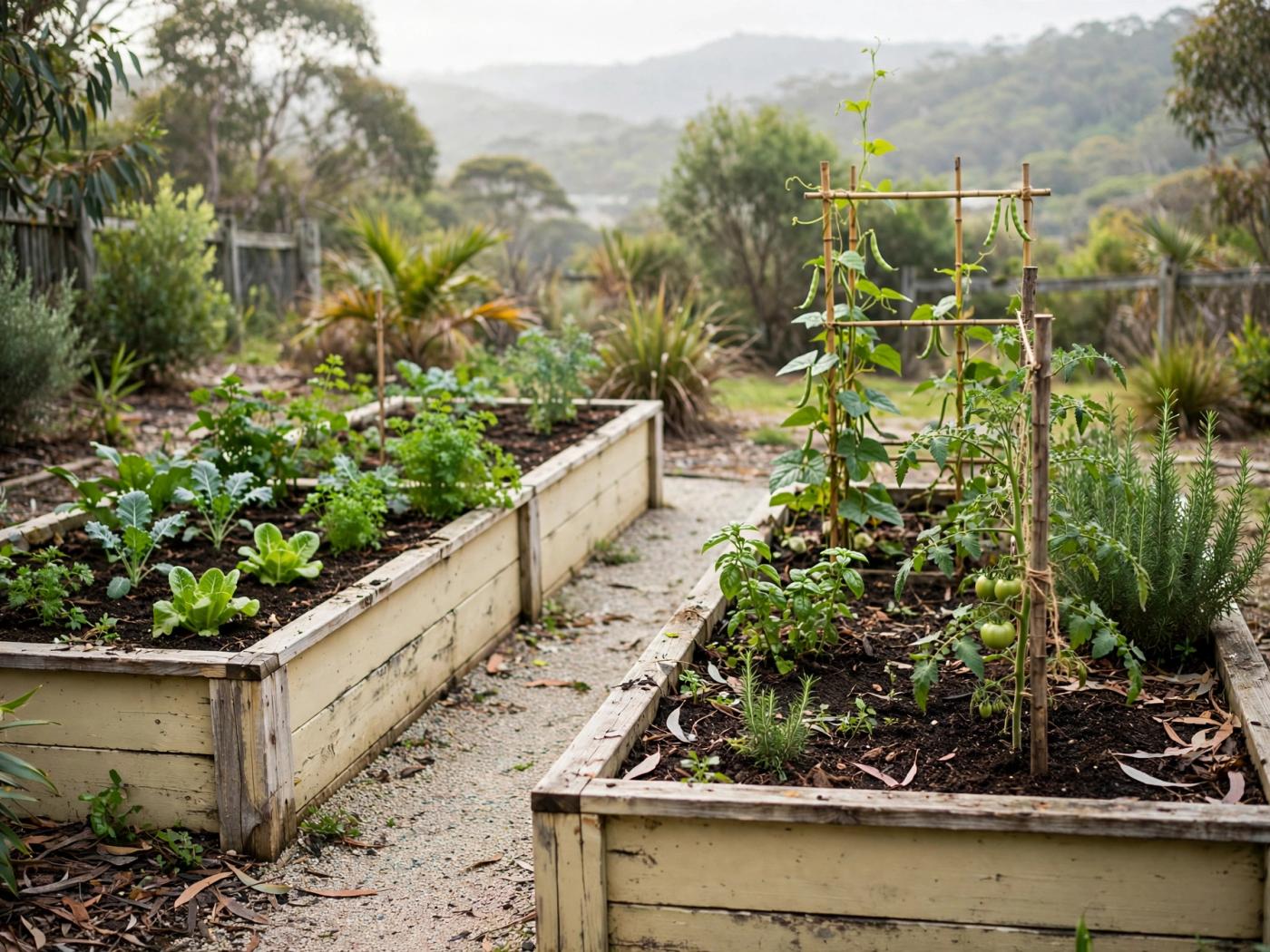
Choose a nearby reference area, then adapt the months to your own patch. Start with Bellingen-area examples, a Ryde/Eastwood council guide, or a broad temperate South Coast reference.
Each calendar names its reference area. Local weather and microclimate still matter.
Three practical reference areas
North Coast · Sydney area · South Coast
Local starting points
Choose the reference closest to your garden
Select an area to see its source-backed month windows. If your town sits between these references, treat the nearest one as a starting point and watch your own conditions.
Showing the Sydney area, Ryde / Eastwood reference reference calendar.
Council guide
Sydney area
Ryde / Eastwood reference
A local council planting guide used as a Sydney-area starting reference.
Australian months
Planting windows
Popular vegetables to start with
Month-level guidance, not a guarantee.
01
Tomatoes
August–December
02
Bush beans and cucumbers
September–February
03
Carrots
December–April
04
Broad beans
March–July
05
Peas
April–September
06
Kale and spinach
March–August
References behind these windows
The month windows below follow Ryde City Council's Seasonal Planting Guide, an Eastwood Seed Library reference.
Begin with the conditions you can see. Sun, soil moisture and access are easier to adjust when you change one thing at a time.
01
Start with the light
Most vegetables prefer a bright, full-sun spot. Watch how the light moves through your garden before choosing a bed. Lettuce can benefit from some shade in hot weather.
Use finished compost and mulch as practical soil amendments. Worm castings can help, but they are an amendment, not a complete fertiliser for every crop.
A raised bed can reduce bending and put crops within easier reach. Set its height and width for how you garden, standing or seated, keep often-picked plants close, and leave a firm, clear path.
Care for food, soil and garden helpers
Keep a few important details in mind
A healthy edible garden starts with safe soil inputs and a closer look at the insects already in the bed.
Use thoroughly composted manure
Untreated manure can carry pathogens. For edible beds, use thoroughly composted manure and avoid spreading raw manure, including pig manure, on growing crops.
When handling potting mix, wet it first, wear gloves and a mask, and wash your hands afterwards.
A Bellingen-area gardening reference notes warm-season cabbage-moth pressure on brassicas. That local observation is not a forecast for every coastal NSW garden. An older NSW DPI factsheet lists parasitoid wasps, ladybirds, lacewing larvae and hoverfly larvae among the natural enemies of aphids.
Check under leaves, and give beneficial insects a chance to do their work.
The NSW DPI factsheet was revised in 2003. Treat it as basic guidance, not a current statewide pest forecast.